
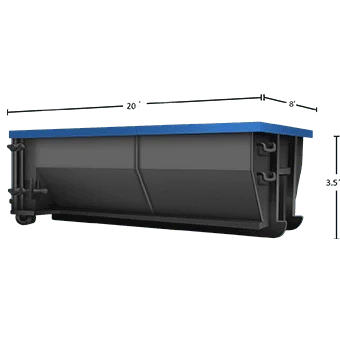
Check which service category the project actually fits
The published temporary project-specific definition covers identified short projects and has container-size, duration, identification and annual property-use limits. It also excludes municipal solid waste, recycling and putrescible waste. Describe the project and material to the provider and confirm the applicable arrangement; a general cleanout label does not prove that every load qualifies for the exception.
Keep routine collection and unsuitable material separate
Boise says a project container does not replace the property’s regular collection, and routinely generated residential trash cannot be put into that temporary service. Identify debris before loading and ask the provider to accept its composition. Liquids, hazardous items and materials requiring another disposal route should not be hidden inside an ordinary mixed load. Do not infer acceptance from an empty container’s appearance.
Plan the property and collection arrangement
Provide the Boise destination, dates, material and proposed position. Ask about usable container capacity, loading limits, delivery and removal. Public-street or obstructing right-of-way placement requires the appropriate ACHD approval under the published code. Confirm property permission and the actual provider’s eligible service before booking; this enquiry is not a municipal approval or a replacement for routine waste service.
Questions before you book
Can a project container replace the house’s normal trash collection?
No. Boise’s published rules keep routine property collection separate from the defined temporary project service.